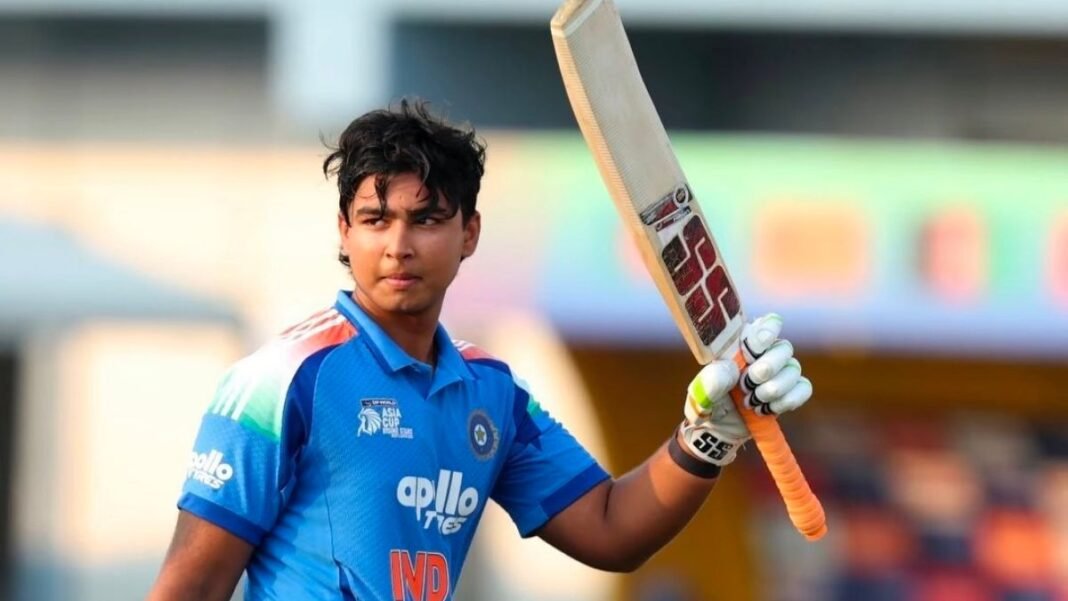
Young Indian batter Vaibhav Sooryavanshi’s return during the second T20I against New Zealand ended in disappointment. The youngster was expected to make an impact, but the match highlighted the challenges of performing under pressure in the fast-paced T20 format.
Vaibhav Sooryavanshi Struggles to Make an Impact
Vaibhav Sooryavanshi’s return to action during the second T20I against New Zealand did not go as expected. The young Indian batter attracted attention ahead of the match, with cricket fans eager to see him deliver another impressive performance.
Sooryavanshi has become one of India’s most talked-about young batting talents because of his aggressive style and ability to score quickly. His fearless approach has helped him gain recognition, and many supporters are interested in watching his progress.
However, his latest outing proved disappointing, as the young batter could not make the impact that fans had hoped for. His performance also highlighted the challenges that emerging players face when competing against experienced international opponents.
High Expectations From India’s Young Batter
Sooryavanshi has drawn attention for his attacking batting and confidence at the crease. Young players with such qualities often generate excitement because they can change the direction of a match in a short period.
The T20 format rewards players who can score quickly, find gaps in the field and hit boundaries under pressure. At the same time, batters must make smart decisions because losing wickets early can create problems for the team.
For a young player, managing these demands is not always easy. The pressure to perform, combined with the quality of international bowling, can make it difficult to settle into an innings.
The second T20I against New Zealand provided another opportunity for Sooryavanshi to demonstrate his abilities. However, the outcome was not the one his supporters had hoped for.
New Zealand’s Bowling Challenge
New Zealand are known for their disciplined approach to international cricket. Their bowlers aim to limit scoring opportunities, maintain pressure and force batters to take risks.
Against a competitive bowling attack, Indian batters need to balance aggression with patience. Playing attacking shots can help increase the scoring rate, but selecting the right delivery to attack is equally important.
The early stages of an innings are particularly important in T20 cricket. A batter who takes time to understand the pitch and the bowler’s plans may find better opportunities to score later.
For Sooryavanshi, facing international opposition offers valuable experience. Every match can help a young player understand different bowling strategies, improve shot selection and develop greater confidence at the crease.
A Learning Opportunity for Sooryavanshi
A disappointing performance does not automatically mean that a young cricketer lacks talent. Cricket is a game of changing conditions, and even established players experience difficult days.
For Sooryavanshi, the key will be to learn from the experience and prepare for future opportunities. Improving consistency, judging deliveries and managing pressure can help him become a more effective batter.
Young players also need time to adjust to different match situations. While an aggressive approach can produce quick runs, understanding when to defend and when to attack is an important part of developing as a batter.
India have a strong tradition of producing talented young cricketers. However, moving from promising performances to consistent results requires patience, practice and experience at higher levels of competition.
What Lies Ahead for India’s Young Talent?
The India-New Zealand contest provides a competitive environment for young players to test their skills. Performances in such matches can offer important lessons and help players identify areas that need improvement.
Sooryavanshi will be keen to make better use of his next opportunity and show what he can deliver. Supporters will continue to follow his progress as he works towards becoming a more consistent performer.
Although his return ended in disappointment, one outing should not define his future. The response to setbacks, along with continued improvement, will be important in shaping his development as a cricketer.
For now, attention will remain on India’s performances against New Zealand and the opportunities available to the team’s emerging talent.