

France Protests: What Happened?
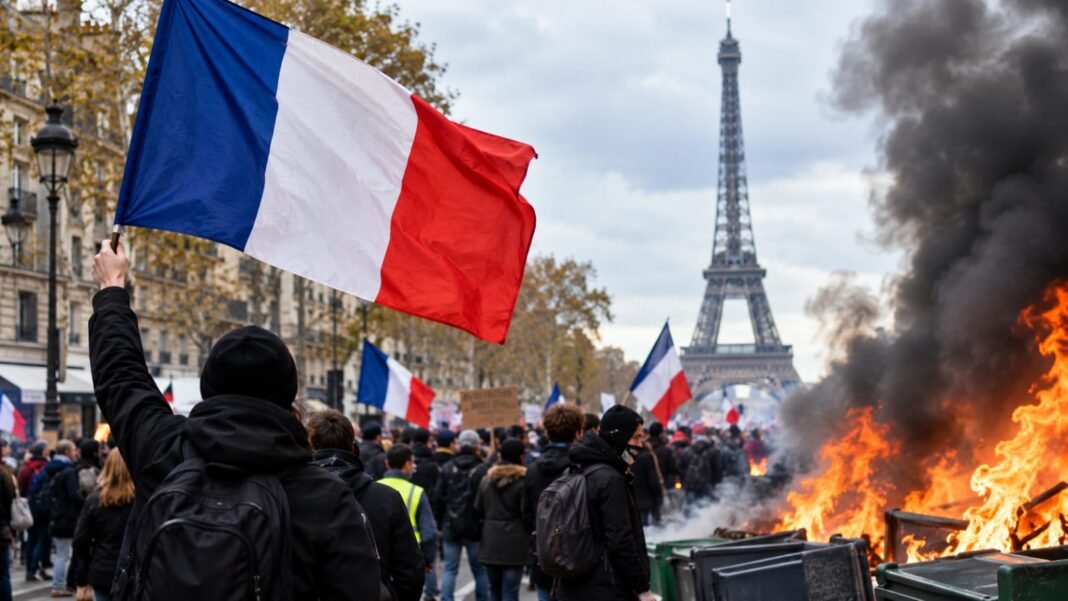
PARIS: France witnessed widespread demonstrations on Saturday, October 17, 2026, as students, trade unions and other groups took to the streets over rising living costs, fuel prices and concerns about public services. While many demonstrations remained peaceful, violence broke out in several locations, leading to clashes between police and protesters, damage to public buildings and reports of looting.
According to reports by Reuters and other international media outlets, Prime Minister Sébastien Lecornu said that more than 1,200 people had been arrested and around 150 police officers injured during the unrest. These figures were reported following the prime minister’s late-night statement.
Up to 800,000 Protesters Reported
France’s Interior Minister Laurent Nuñez estimated that approximately 550,000 people participated in demonstrations nationwide. However, the CGT trade union put the figure at around 800,000.
The difference reflects separate estimates provided by the government and protest organisers. Although violence occurred in several locations, not all demonstrators were involved in clashes or property damage.
The protests highlighted growing public dissatisfaction with economic pressures and the quality of public services.
Why Are People Protesting?
Rising living costs, fuel prices, economic inequality and concerns about public services were among the issues fuelling the demonstrations.
Student protests also contributed to the wider movement. Students raised concerns about teacher shortages, school facilities and the quality of education. Trade unions and other groups subsequently joined the demonstrations, broadening the movement beyond education-related grievances.
Protesters also criticised government policies and called for measures to address the financial pressures faced by ordinary households.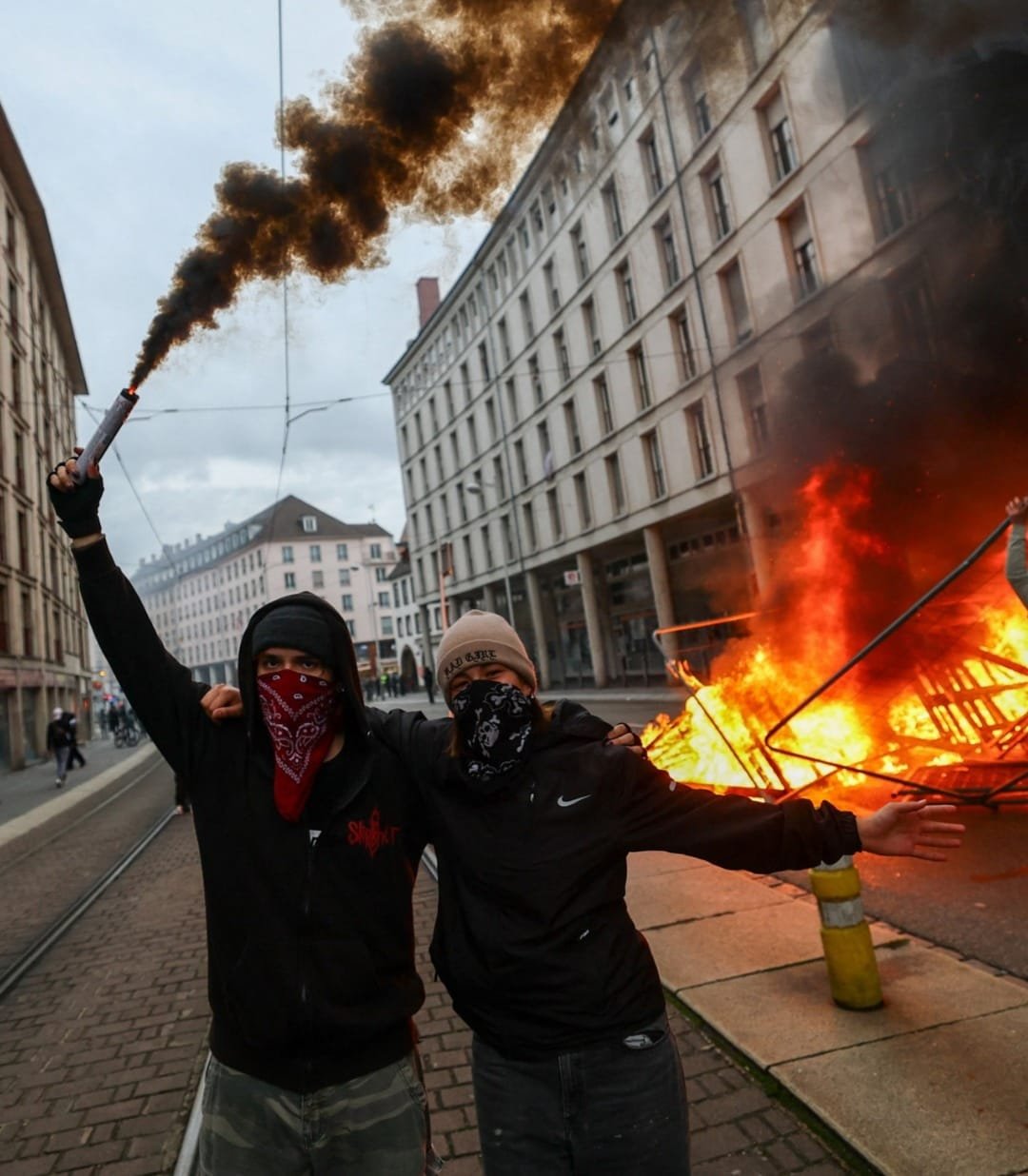
Students’ Concerns Feed a Wider Movement
The demonstrations followed weeks of student protests over educational conditions, including concerns about staffing and school facilities. Trade unions and other groups subsequently joined the wider mobilisation, bringing economic and social grievances into the national debate.
The events have revived comparisons with France’s 2018 Yellow Vest movement, which was fuelled by anger over fuel prices and the cost of living. Although the two movements have different circumstances, both reflect the political difficulties that can emerge when household expenses become a source of widespread frustration.
Fires and Looting Reported in Several Cities
Violence was reported in Paris and several other French cities.
In Paris, police used tear gas and water cannon to control violent crowds. Some shops were reportedly looted, while vehicles were set on fire.
In Limoges, a fire damaged the city hall building. In Lyon, a tourist office was reportedly set on fire. Other cities also experienced incidents involving vandalism and damage to public and commercial property.
The incidents raised concerns about public safety and the financial impact of the unrest on local businesses and communities.
Macron Government Faces Pressure
President Emmanuel Macron’s government faces the challenge of restoring public order while responding to the economic and social concerns behind the demonstrations.
The unrest has drawn comparisons with France’s 2018 Yellow Vest movement, which began over fuel prices and the cost of living. However, the current demonstrations also involve concerns about education and public services, making their causes broader than those of a single-issue protest.
The government’s response in the coming days will be important in determining whether tensions ease or further demonstrations take place.
What Happens Next?
Authorities must now balance enforcement against violence with the protection of the right to peaceful protest. At the same time, addressing concerns about living costs, education and public services could be crucial to reducing public frustration.


